What if you could live in a place where morning walks follow a river bluff, your errands fit on a short stroll, and a state park starts just up the road? In Marine on St. Croix, that picture is daily life. If you are weighing a move to a river town near the Twin Cities, you likely want clarity on neighborhoods, commute times, the housing mix, and what it takes to buy well in a small market. This guide gives you a clear view of homes, lifestyle, and practical steps so you can decide with confidence. Let’s dive in.
Marine at a glance
Marine on St. Croix is a small city of about 664 residents on the west bank of the St. Croix River in Washington County. It sits on a glacial bench above the river valley, with a historic village center and quiet residential lanes. The St. Croix is part of the federally protected National Scenic Riverway, which shapes both the landscape and how the shoreline is managed. You will feel the blend of nature access and small-town rhythm the moment you arrive.
- Location context: about 12 miles north of Stillwater and about 15 miles south of Taylors Falls. Drives to the Twin Cities core often range from 45 to 80 minutes depending on origin and traffic. Many residents treat Marine as a retreat while keeping a metro work life.
- Historic roots: the village grew around the Marine Mill, the first commercial sawmill in what became Minnesota. Today, the mill site is preserved and walkable.
For background on Marine’s profile and history, see the city’s overview and the preserved Marine Mill site.
- Learn more: Marine on St. Croix, Minnesota | Marine Mill historic site
Neighborhoods and housing types
Marine’s housing follows the landscape: a compact historic village at the center, river-valley estates on bluffs and coves, a conservation neighborhood with modern design, and rural acreage beyond the village limits. Each offers a different daily rhythm.
Village center
The village core feels like a New England-style river town set in Minnesota. You will find a long-running general store, Village Hall with a community library, a few restaurants and shops, and several historic buildings. Streets are walkable and social life often revolves around small local events.
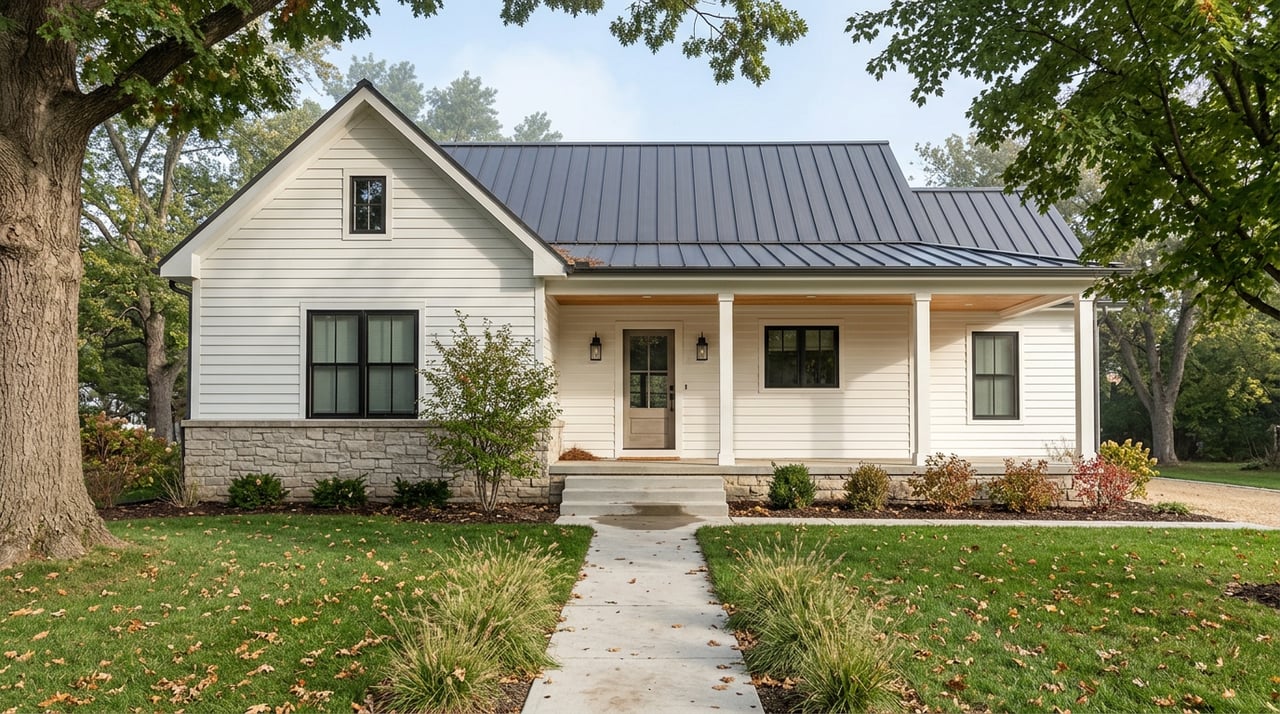
- Homes: 19th and early 20th century houses on smaller lots. Many have seen careful updates while keeping original character. Some properties sit within a National Register historic district. Local review rules can vary, so plan early if you expect exterior changes or additions.
Riverfront and bluff estates
Along and above the St. Croix, you will see a mix of riverfront parcels, seasonal docks, and larger private estates tucked into the trees. These properties are scarce and often command a premium. Topography can be steep, and access to the shoreline may be limited by conservation rules.
- River access: Public and private landings are limited. Seasonal marina services at Marine Landing provide an option for slips and services close to the village.
Learn about the river’s protected status and use guidelines through the National Park Service.
- Resource: St. Croix National Scenic Riverway
- Marina info: Marine Landing services
Jackson Meadow conservation neighborhood
Jackson Meadow is an architect-led conservation development just outside the village. Homes are clustered to preserve open space, with a pedestrian network that ties into nearby trails. The design language is cohesive and modern, and views are protected by the site plan.
- What to expect: smaller lots within a large shared open-space setting, HOA oversight, and immediate trail access. Buyers here often value design, trail life, and the conservation model.
- Learn more: About Jackson Meadow
Rural and acreage properties
Beyond the village, you will find hobby farms, wooded tracts, and larger parcels with room for outbuildings. If you want privacy, gardens, or space for recreational gear, this pattern delivers a genuine rural feel within reach of the river and park.
Daily life: outdoors and community
Marine’s everyday life is anchored by the river, William O’Brien State Park, and a small set of local institutions and businesses. It is intentionally low-key, which is a large part of the appeal.
River recreation
The St. Croix offers boating, paddling, fishing, birding, and quiet scenic time. Because it is a protected riverway, shoreline uses, docks, and access points are managed for conservation and public safety. That stewardship keeps the experience calm and scenic.
- River resource: National Scenic Riverway overview
William O’Brien State Park next door
Just north of the village, William O’Brien State Park is a signature local asset. You can hike roughly a dozen miles of trails, paddle the river, picnic, camp, or relax at the swim beach. For many residents, this park is the backyard.
- Explore: William O’Brien State Park
Trout streams and creeks
Old Mill Stream and small tributaries wind through the area. Anglers and nature-watchers appreciate these intimate waters. Note that access points are limited and streams are managed for habitat health.
- More info: Old Mill Stream trout waters
Scenic drives and cycling
Highway 95 follows the St. Croix as part of the region’s scenic and immigrant byway. Weekend cyclists and road riders use Marine as a waypoint for longer river-valley rides. The route links river towns and connects with larger trail systems near Stillwater.
- Background: St. Croix Valley byway context
Arts, events, and small-town culture
The Marine Community Library hosts talks, kids’ programs, and River Radio. Local groups run film nights and small arts events that bring neighbors together. The calendar is modest but active enough to feel connected.
- Community hub: Marine Community Library
Food, shops, and local flavor
You can grab daily essentials at the historic general store, sample sweets at an award-winning chocolatier, and enjoy a casual meal in the village or at the marina in season. It is a compact set of businesses that fits the town’s size and pace.
Getting to and from
Marine is a retreat town within reach of the metro. Expect roughly 12 miles to Stillwater and 15 miles to Taylors Falls for nearby errands or day trips. Drives to Minneapolis or St. Paul vary widely with traffic and starting point. Many owners treat Marine as a primary home with a hybrid commute schedule, while others use it as a second home for weekends and holidays.
Market snapshot and who buys here
Marine’s housing market is small, so each listing matters. A single-digit number of homes may sell in a typical month, which makes medians swing.
- Pricing patterns: Recent snapshots put the average sale price near 670,000, but results vary by property type and river proximity. Village cottages and renovated historic homes tend to land in a lower-to-mid price tier, Jackson Meadow homes and lots pull a mid-tier with a conservation premium, and riverfront or large-acreage estates can reach the top of the market.
- Who buys: Village buyers often want walkable charm and community. Conservation-neighborhood buyers value design, trails, and open space. Riverfront and acreage buyers prioritize privacy, boating, and a legacy setting. Low inventory means prepared buyers move quickly when the right fit appears.
If you are planning to buy or sell, new comps can change the picture within weeks. A tailored strategy with fresh data is essential in a market this small.
Buyer checklist: what to verify
Buying near a protected river in a historic village calls for a few extra steps. Use this list to stay ahead of surprises.
- Schools and attendance areas. Many Marine addresses reference Stillwater Area Public Schools. Always confirm the assigned schools for a specific property with the district or listing documents.
- Utilities, wells, and septic. Many properties use private or shared wells and septic systems. Confirm the utility setup in the listing and with county records. Require a current septic inspection and water test as part of due diligence.
- Flood risk. Check FEMA flood maps for the parcel and confirm whether flood insurance is required by your lender. River proximity and elevation will drive this. Start with the official FEMA map tool: Flood Map Service Center.
- Shoreline and dock rules. The St. Croix is a protected riverway. Docks, shore work, and boat structures may require permits or have seasonal limits. Review guidance with the National Park Service and the Minnesota DNR before planning improvements. Begin with the Riverway overview above and the state park resource here: William O’Brien State Park.
- Historic district and local approvals. Parts of the village fall within a National Register historic district, and local planning may require review for exterior changes. Review city guidance and any HOA or conservation covenants that apply. A helpful context page for city sustainability and planning participation is here: City detail on Minnesota GreenStep Cities.
- Marina and boat logistics. Public and private slips are limited. If boating is central to your plan, confirm slip availability, public landing options, and any waitlists. Get started here: Marine Landing services.
Seller checklist: stand out in a small market
With few listings at any time, presentation and pricing precision matter.
- Prep with purpose. Focus on exterior condition, porch and entry moments, and any river or trail adjacency that photographs well. Historic character and tasteful updates should be highlighted with clear before-and-after stories.
- Price to the segment. Village homes, conservation properties, and riverfront estates each have their own buyer pool. Use segment-specific comps and emphasize lifestyle in your pricing narrative.
- Make the river a feature. If you have views, access, or proximity to the park and trails, place those front and center in visuals and copy.
Is Marine on St. Croix a fit for you
Marine is a great match if you want nature-first living, a walkable village core, and a calm, close-knit feel. You can spend weekends on the water, hike after dinner, and still reach the metro when needed. If you prefer a large retail base, rapid-fire dining options, or short daily commutes, you might lean toward Stillwater, North Oaks, or an inner-ring suburb. If the river and park pull you in, Marine rewards that choice every day.
Let’s plan your move
If you want a home that balances character, conservation, and water, Marine on St. Croix is worth a closer look. Our team knows the village blocks, the river-valley nuances, and the conservation covenants that shape value here. Ready to explore listings, timing, and a purchase or sale strategy that fits your goals? Reach out to Smitten Sales, Inc. to start the conversation.
FAQs
What is daily life like in Marine on St. Croix
- A small, walkable village with river access, state park trails nearby, and a steady calendar of low-key community events.
How far is Marine on St. Croix from Minneapolis and St. Paul
- Plan on roughly 45 to 80 minutes depending on route, traffic, and whether you head to Minneapolis or St. Paul.
What types of homes are common in Marine on St. Croix
- Historic village houses, conservation-neighborhood homes in Jackson Meadow, riverfront or bluff estates, and rural acreage properties.
Do I need flood insurance for river-adjacent homes in Marine on St. Croix
- It depends on the parcel’s elevation and flood zone; check the FEMA flood maps and your lender’s requirements.
Which school district serves Marine on St. Croix addresses
- Many properties reference Stillwater Area Public Schools, but you should verify attendance areas for each specific address before you buy.
What outdoor activities draw people to Marine on St. Croix
- Boating and paddling on the St. Croix, hiking and camping in William O’Brien State Park, cycling the scenic river corridor, and fishing small local streams.
What should I know about wells and septic when buying in Marine on St. Croix
- Many homes rely on private or shared systems; budget for inspections and water tests and confirm permits with county records early in due diligence.