Moving from Minneapolis or St. Paul to Stillwater can feel like a lifestyle upgrade, but it also comes with a few practical tradeoffs. You may be drawn to the riverfront charm, historic downtown, and a pace that feels a little calmer than the urban core. At the same time, you still need to think about commute patterns, housing options, parking, and how fast homes move. If you are planning a move to Stillwater from the Twin Cities, this guide will help you make a more confident plan. Let’s dive in.
Why Stillwater Feels Different
Stillwater is about 20 miles east of downtown St. Paul, but it does not feel like a typical inner-ring suburb. The city is known for its historic riverfront downtown, and its Downtown Commercial Historic District is both locally designated and listed on the National Register. That gives the core of Stillwater a sense of place that stands apart from many newer suburban areas.
At the same time, Stillwater is not an all-day urban environment like Minneapolis or St. Paul. The Metropolitan Council classifies it as a suburban community, which helps explain the overall feel. You get more scenery and character, but daily life is still largely auto-oriented outside the walkable downtown core.
One example of that contrast is the historic lift bridge. MnDOT notes that it now serves pedestrians and bicyclists rather than cars, which adds to the downtown experience. But for most errands, school runs, and appointments across the city, driving and parking still matter.
What Daily Life Looks Like
If you are coming from a more urban part of the Twin Cities, Stillwater may feel more spread out. Downtown offers a strong walkable pocket, especially for dining, shopping, and time near the river. Beyond that core, the broader land-use pattern is more suburban.
That means your day-to-day routine may change in small but important ways. You may drive more often, plan errands in clusters, and think more carefully about where you live in relation to your regular destinations. If Main Street access matters to you, downtown parking is also worth factoring into your decision since the city is currently highlighting paid parking in downtown Stillwater.
Commute Expectations From Stillwater
A move to Stillwater can work very well for many Twin Cities buyers, but it helps to go in with realistic commute expectations. Route planning snapshots put a drive from Saint Paul to Stillwater at about 19.6 miles and 26 minutes. Minneapolis to Stillwater is about 24.9 miles and 32 minutes.
Those numbers are best used as rough baselines, not guarantees. Your actual drive time will depend on your exact starting point, destination, weather, and traffic patterns. If your schedule is flexible, that may be manageable. If your workday depends on tight timing, it is smart to test the route during your real commute window.
Transit Options Are More Limited
Transit exists, but it is not comparable to the frequency and flexibility you may be used to in Minneapolis or St. Paul. Current Metro Transit planning materials show Stillwater commuter service transitioning to Route 291, which is designed to serve Stillwater park-and-rides and downtown St. Paul.
The same planning materials describe only three trips in each direction during morning and afternoon rush periods. That can be helpful for some downtown St. Paul commuters, but it is not an all-day transit network. If you work in Minneapolis or need midday flexibility, driving will likely remain your main option.
Backup Transportation Matters
The Metropolitan Council says Transit Link on-demand service is available in the Stillwater area on weekdays from 6 a.m. to 7 p.m. This can be a helpful local convenience. Still, it is better viewed as backup mobility than a substitute for frequent fixed-route transit.
Stillwater Housing Options
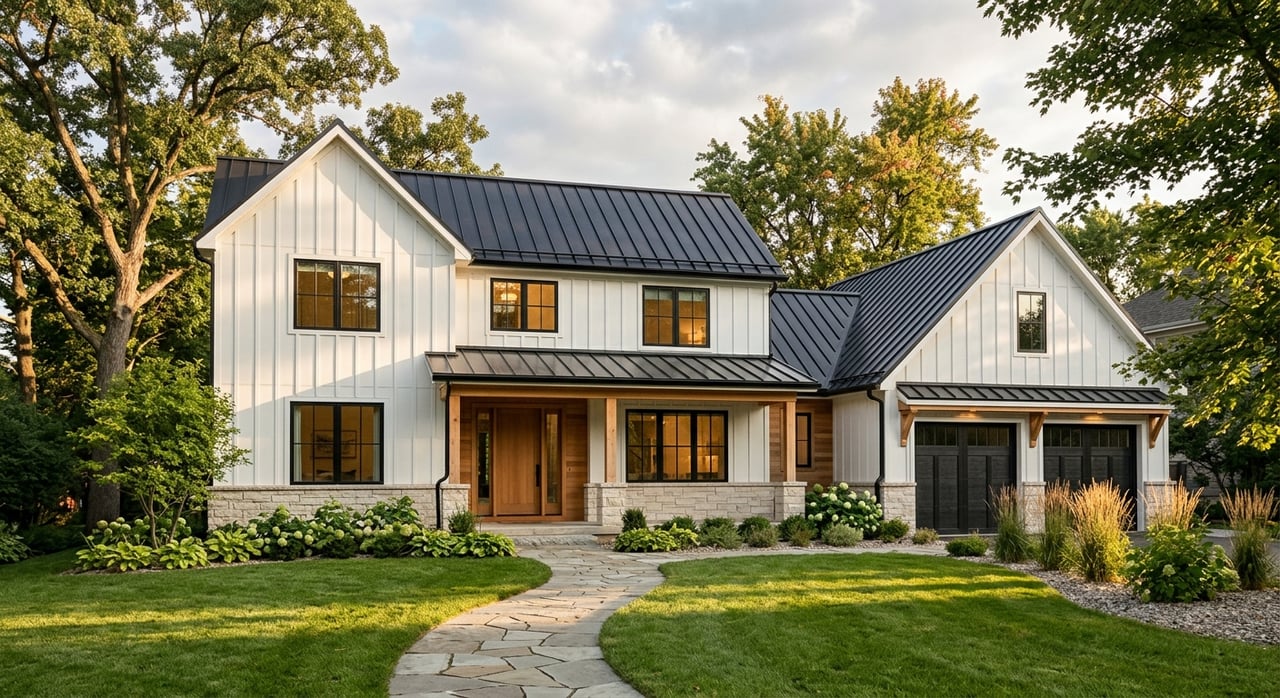
One of the biggest reasons buyers consider Stillwater is the mix of housing styles. You can find single-family homes, townhouses, condos or co-ops, and newer apartment product. For someone leaving an urban condo or a close-in suburban home, that variety can make the transition easier.
Stillwater’s housing mix is still more selective than what you will find in Minneapolis or St. Paul. You may have options across several price points and property types, but the overall inventory pool is smaller. That makes it important to stay close to live listings and move quickly when the right fit appears.
Typical Prices to Expect
Recent market snapshots place Stillwater’s for-sale market in the low-to-mid $400,000s. Redfin reports a median sale price of $425,745, Zillow shows a typical home value of $450,923, and Realtor.com lists a median listing price around $449,900. The exact number varies by source and timing, but the overall picture is consistent.
In plain terms, Stillwater is not a bargain market. If you are moving from parts of the Twin Cities where your budget stretched farther, you may need to adjust expectations on size, updates, or lot characteristics. On the other hand, if lifestyle and setting are high priorities, many buyers find the tradeoff worthwhile.
Homes Still Move Quickly
Well-priced homes in Stillwater do not tend to sit for long. Recent snapshots show homes averaging about 20 days on market, around 25 days to pending, or roughly 33 median days on market depending on the source. Different platforms calculate this differently, but the broader message is the same.
If you are planning a move from the Twin Cities, preparation matters. Financing, timing, and a clear idea of your must-haves can make a real difference when inventory is limited and good listings draw attention.
Renting Versus Buying in Stillwater
Stillwater has a largely owner-occupied housing base. Census data shows an owner-occupied rate of 76.7%, with a median owner-occupied home value of $414,200. That supports the idea that many households moving here are thinking long term rather than treating the move as a short stop.
For renters, the numbers vary depending on the source. Census data lists median gross rent at $1,622, while current market listings on Realtor.com show a higher median rent around $2,600. If you are considering renting first before buying, it is smart to compare current listings closely rather than rely on one headline figure.
How to Time Your Move
Timing matters in Stillwater because the market is active, but not static. The Metropolitan Council forecasts Stillwater’s population to reach 22,200 by 2050 and identifies a need for 339 affordable units in the 2031 to 2040 period. Along with the city’s broader planning efforts and current townhome and apartment projects, that points to gradual change rather than a fixed housing landscape.
For buyers, that means there may be more infill and housing variety over time, but today’s decisions still happen in a market where well-positioned listings move. If you are selling a Twin Cities home and buying in Stillwater, it helps to coordinate your timeline around your own practical milestones, such as a lease end date, renovation plan, or family schedule.
New Development Adds Options
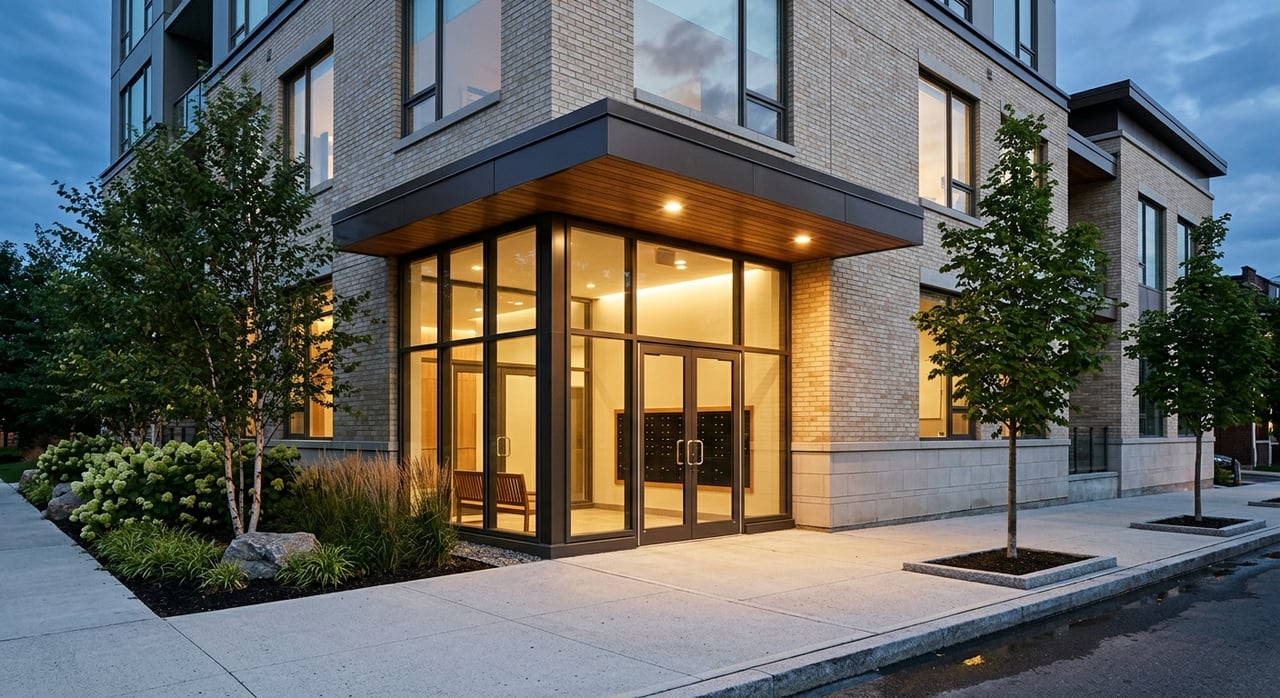
Stillwater’s current project pipeline includes a 108-unit for-sale townhome development and a market-rate apartment building in Central Commons. These projects are useful signals for buyers who want lower-maintenance options or a newer home style. They may also appeal to people moving from an urban condo who want less upkeep without taking on a large yard.
Historic Homes Need Extra Planning
If you love the idea of a character home, Stillwater gives you more of that than many suburbs. But if a property is in a local historic district, exterior changes may be subject to design guidelines and review. That does not rule out remodeling, but it can add time and another layer of planning.
If you are hoping to buy a project house, this is one detail worth checking early. A home’s charm and location may be a major draw, but your renovation timeline may look different than it would in a non-historic setting.
A Smart Checklist Before You Move
Before you make the jump from the Twin Cities to Stillwater, focus on the details that will shape your daily experience:
- Match your commute mode to your actual destination, especially if you work in downtown St. Paul versus Minneapolis.
- Compare housing by type, including single-family homes, townhouses, condos, and newer apartment options.
- Review live inventory and recent sale activity instead of relying on one median price.
- Check whether a home is in a historic district if renovation is part of your plan.
- Verify downtown parking details if regular Main Street access matters to you.
Why Planning Ahead Pays Off
A move to Stillwater is often about more than square footage. It can be about trading a little convenience for more river-town character, a historic downtown, and a different day-to-day pace. The key is making sure the lifestyle you want lines up with the logistics you can live with.
When you understand commute patterns, inventory constraints, housing types, and local planning details, you can make a move with fewer surprises. That is especially helpful if you are balancing the sale of one home and the purchase of another in two related but different markets.
If you are thinking about a move to Stillwater from Minneapolis or St. Paul, Smitten Sales, Inc. can help you compare neighborhoods, evaluate timing, and create a plan that fits your goals.
FAQs
What is the drive time from the Twin Cities to Stillwater?
- Route-planning snapshots show about 26 minutes from Saint Paul to Stillwater and about 32 minutes from Minneapolis to Stillwater, though actual times vary by traffic and destination.
Is Stillwater walkable if you move from Minneapolis or St. Paul?
- Downtown Stillwater has a strong walkable core, but the city overall functions more like a suburban, car-oriented community.
What home prices should buyers expect in Stillwater?
- Recent market snapshots place typical Stillwater home prices in the low-to-mid $400,000s, with figures around $425,745 to $450,923 depending on the source.
Does Stillwater have transit to downtown St. Paul?
- Yes, current Metro Transit planning materials show commuter service transitioning to Route 291, with limited rush-hour trips serving Stillwater park-and-rides and downtown St. Paul.
Should buyers check historic district rules before remodeling in Stillwater?
- Yes, if a home is in a local historic district, exterior changes may require design review and can affect your project timeline.