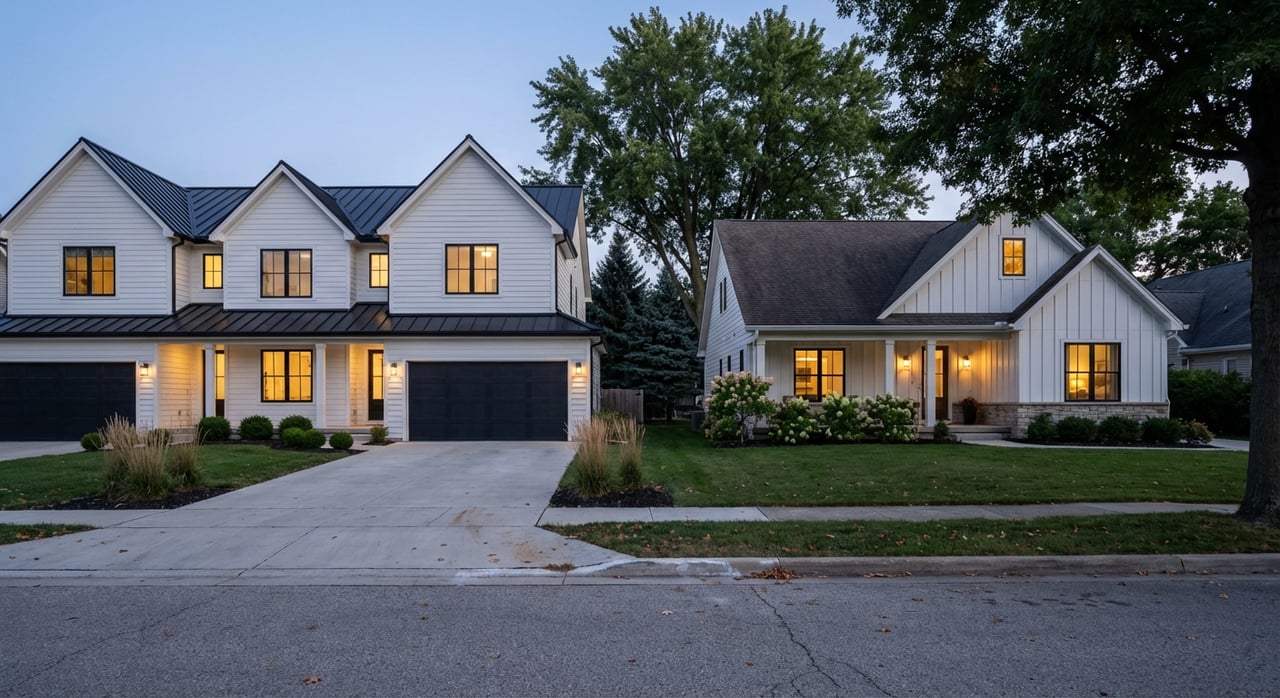
Torn between the low-maintenance appeal of a townhome and the space and independence of a house in Stillwater? You are not alone. With walkable riverfront amenities, quick commutes, and a mix of historic and suburban neighborhoods, the choice here comes down to lifestyle and total cost. In this guide, you will get a clear, local breakdown of costs, HOA rules, financing, flood risk, and resale so you can pick with confidence. Let’s dive in.
How Stillwater’s market sets the stage
Stillwater is a small, owner‑oriented community of about 19,386 residents with a mean 20.1‑minute commute and roughly 76.7 percent owner occupancy, according to U.S. Census QuickFacts. Those numbers help explain why buyers weigh both walkability to downtown and access to trails alongside easy commuting.
Price signals vary by source and date. Recent examples: Redfin’s median sale price for Stillwater was about $432,500 in Dec 2025, Realtor.com’s median listing price was about $625,000 in Oct 2025, and Zillow’s Home Value Index was about $427,850 through Jan 31, 2026. Each metric measures something slightly different, so always compare like to like and note the date when you run your numbers.
Townhome vs. house: the cost picture
Many Stillwater townhomes trade in the low to mid $200,000s up to the $400,000s, depending on size, age, and proximity to downtown or trails. HOA dues commonly range around $250 to $450 per month in many complexes, with amenity‑rich or downtown buildings higher. In contrast, single‑family homes often sit higher on purchase price, especially in established neighborhoods or larger‑lot areas.
When you compare monthly cost, build a full picture:
- Mortgage principal and interest at today’s rate.
- Property taxes divided by 12 months. Local median tax bills often land around $4,000 to $5,000 per year, but your bill depends on assessed value and exemptions. For process details and appeals, see Washington County’s property tax programs.
- Homeowners insurance for the structure and contents.
- HOA dues, if applicable. For example, a $330 monthly HOA is $3,960 per year added to your housing cost.
- Utilities and routine maintenance.
What HOA dues usually cover
Most townhome and condo associations cover exterior maintenance such as roofs and siding, lawn care, and snow removal. Many also include common‑area insurance and professional management. Some mid‑rise buildings downtown include heat and water in the dues, which shifts part of your utility budget into the HOA line.
With a single‑family home, you typically handle all exterior upkeep and capital repairs yourself. Some newer subdivisions may have a limited‑purpose HOA for neighborhood entries or landscaping, but not for your home’s exterior.
Rules and documents to review first
Minnesota’s framework for condos and many townhome communities is the Minnesota Common Interest Ownership Act, chapter 515B. The Minnesota Department of Commerce outlines key owner rights and best practices, including document access, budgets, reserves, enforcement, and liens. Before you buy, request and review the declaration, bylaws, current budget, reserve study if available, meeting minutes for the last 12 to 24 months, delinquency rates, master insurance, and any pending litigation. You can read the state’s guidance here: Ten things every Minnesota HOA resident should know and the statutes and resources.
Financing differences that can shape your choice
If you plan to finance a condo or certain townhomes, your lender will check project eligibility. Conventional lenders use tools like Fannie Mae’s Condo Project Manager to confirm that a project meets agency standards. If a project is not eligible, you may need different terms or a different loan product. Ask your lender early whether the association is approvable and what documentation they will need. Learn more about the process at Fannie Mae’s Condo Project Manager.
FHA financing has its own project‑approval rules and a Single‑Unit Approval pathway in some cases. Because rules and lender overlays change, confirm the path and timeline before you write an offer.
Insurance basics: HO‑3 vs. HO‑6
With a single‑family home, you typically purchase an HO‑3 policy that covers the structure and your belongings. With a condo or many townhomes, you usually carry an HO‑6 policy that covers your interior finishes and contents, while the association’s master policy covers the building’s exterior or common elements. The Minnesota Department of Commerce offers a helpful overview of homeowner and condo insurance types at its home insurance resource page. Always confirm exactly what the HOA’s master policy covers so you can set the right personal coverage limits.
Floodplain and the St. Croix River
Stillwater’s scenic setting along the St. Croix River means some properties near the river or lowlands may fall within FEMA‑mapped flood zones. If a home is in a Special Flood Hazard Area, your lender may require flood insurance and you may face elevation or mitigation considerations. Start by checking the FEMA map designations and definitions at FEMA’s flood insurance terminology index, then confirm parcel‑level details with your lender and insurance provider.
Resale and liquidity in Stillwater
Resale speed depends on micro‑neighborhood, condition, and pricing strategy. As a citywide reference point, Stillwater’s median days on market hovered around 37 days in December 2025 for all home types. Single‑family homes often draw a broader buyer pool because there is no shared governance and you get private yard space. Townhomes and condos appeal to buyers who value low maintenance or walkable locations, but higher HOA dues, litigation, or tight financing eligibility can narrow demand. Healthy reserves, clean financials, and clear rules can boost confidence and appraisals.
Lifestyle fit: where each shines
- Townhome strengths. You get lower exterior maintenance, consistent budgeting, and often better access to trails and downtown. Many Stillwater listings highlight quick access to the Browns Creek State Trail and riverfront, which you can explore on the Browns Creek State Trail guide. If you want to lock and leave or spend weekends on the St. Croix instead of mowing, this route is compelling.
- Single‑family strengths. You control your property and schedule. If you want a private yard, more storage, or space for hobbies, a detached home offers flexibility without shared rules. Your monthly line items are simpler since there is no HOA, though you must budget for long‑term exterior repairs.
Quick decision checklist for Stillwater buyers
Use this simple checklist to compare your top options:
- Define your lifestyle must‑haves. Yard and privacy, or walkability and low maintenance.
- Run a true monthly cost. Mortgage plus property tax, HOA dues if applicable, insurance, and utilities. For tax assumptions and appeals, see Washington County’s property tax programs.
- If considering a townhome or condo, collect the documents. Declaration, bylaws, current budget and reserve study, minutes for 12 to 24 months, delinquency figures, insurance declarations, and any recent special assessments. Then ask your lender about Fannie Mae, Freddie Mac, or FHA project eligibility. See Minnesota’s consumer guidance on HOA rights and documents and learn how lenders review projects via Fannie Mae’s CPM.
- Check flood maps. Verify whether flood insurance could be required and how that affects your payment using FEMA’s terminology index.
- Confirm maintenance responsibilities. Clarify what the HOA covers versus what you cover as the owner so there are no surprises.
- Use hyper‑local comps. Compare 12‑month sales in the exact micro‑neighborhood to sanity‑check pricing and appraisal risk.
- Schedule a thorough inspection. For condos and townhomes, confirm scope and ask about any building‑level deferred maintenance noted in minutes or budgets. Minnesota’s consumer page on HOA rights outlines what you can request.
Still unsure which path fits best right now. We will help you model the numbers, review HOA health, confirm financing options, and weigh neighborhood‑level resale dynamics so you can choose with clarity. Reach out to Smitten Sales, Inc. to start a focused, local conversation.
FAQs
What should a Stillwater buyer include in a monthly cost comparison for a townhome vs. a house?
- Add mortgage, property taxes divided by 12, homeowners insurance, HOA dues if applicable, and utilities, then compare side by side for the same date and rate assumptions.
How do property tax assessments work for Stillwater, MN homes?
- Washington County sends assessment notices in spring and provides a process to review or appeal; see the county’s guidance at the property tax programs page.
What is a typical HOA fee for a Stillwater townhome?
- Many communities land around $250 to $450 per month, with downtown or amenity‑rich buildings higher; always verify the current amount and what it covers before you write an offer.
How do HO‑3 and HO‑6 homeowners policies differ in Minnesota?
- HO‑3 usually covers a single‑family home’s structure and contents, while HO‑6 covers a condo or townhome interior plus contents alongside an HOA master policy; see the state’s home insurance overview.
Do I need flood insurance for a home near the St. Croix River in Stillwater?
- It depends on the property’s FEMA flood zone; homes in Special Flood Hazard Areas usually require flood insurance, so check designations via FEMA’s terminology index and confirm with your lender.