Is winter the right time to make a move in Minneapolis? When the snow falls and daylight shrinks, the market feels different, and that can be a real advantage if you know how to navigate it. You want clear guidance on what to expect, how to prepare, and where the opportunities are. In this guide, you’ll learn how seasonality shapes buyer and seller decisions in the Twin Cities, plus practical steps to help you act with confidence. Let’s dive in.
How winter shapes the Twin Cities market
Why activity slows
Across U.S. metro areas, real estate is seasonal, and the Twin Cities are no exception. Winter brings holiday distractions, tough driving conditions, and fewer daylight hours, which all reduce casual showing traffic. Many sellers wait for spring when curb appeal improves, so fewer new listings hit the market from late November through February.
What this means for pricing and pace
With fewer new listings and lower buyer traffic, you often see longer days on market and a higher chance of price reductions if a home is mispriced. Buyers who do shop in winter tend to be more motivated due to moves, lease timelines, or family needs. This can create more negotiation space for buyers in some segments, yet well-priced, well-presented homes can still attract competition if inventory is tight. Seasonal patterns vary year to year, so your strategy should be grounded in current local data.
Minneapolis realities to plan for
Weather and curb appeal
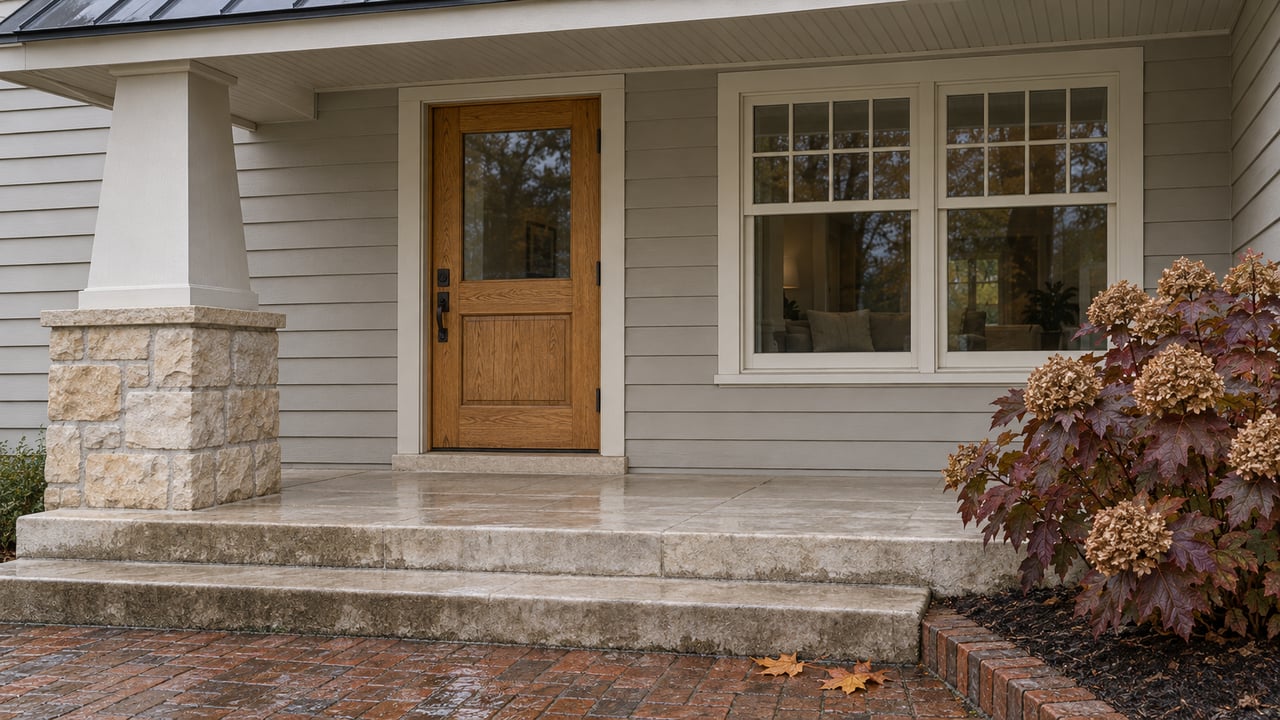
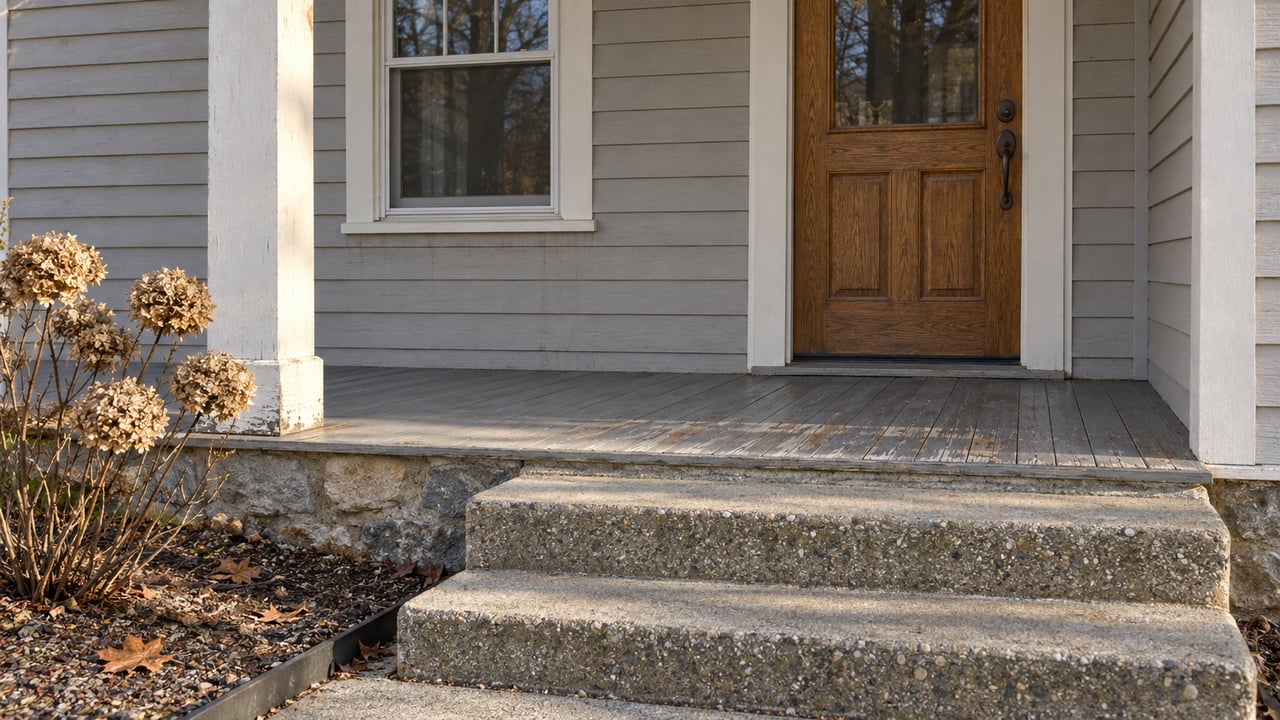
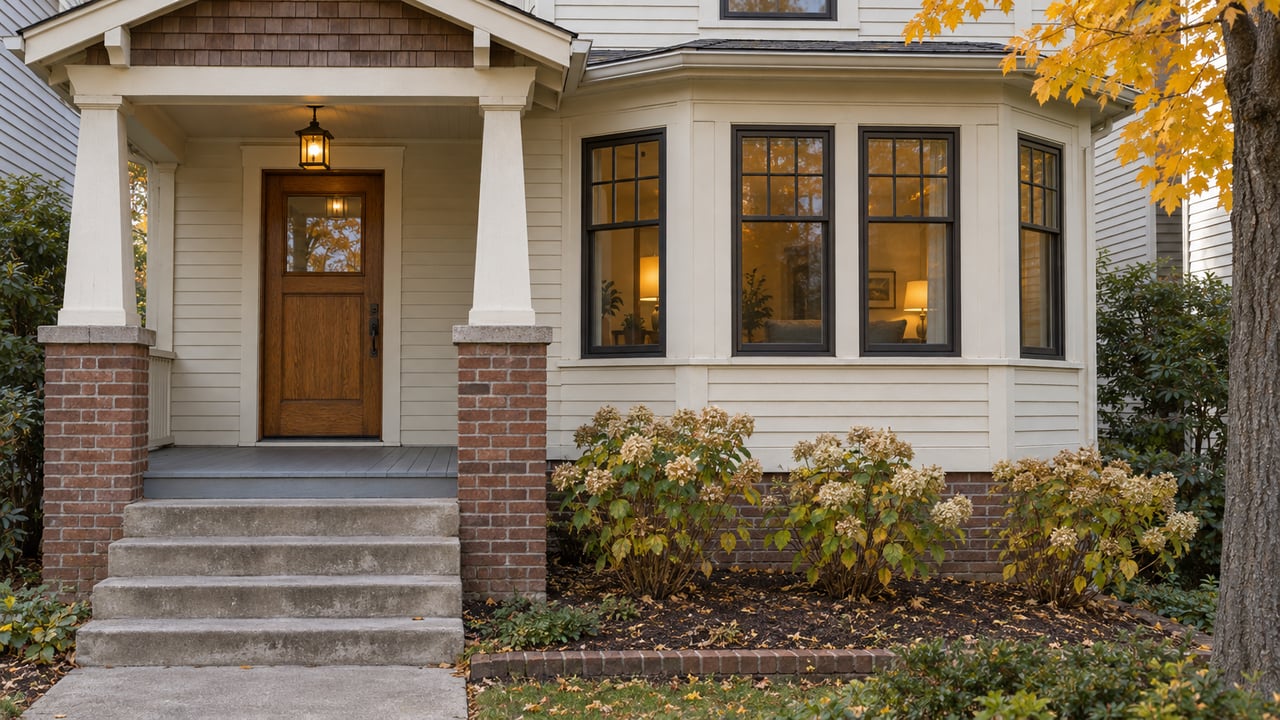
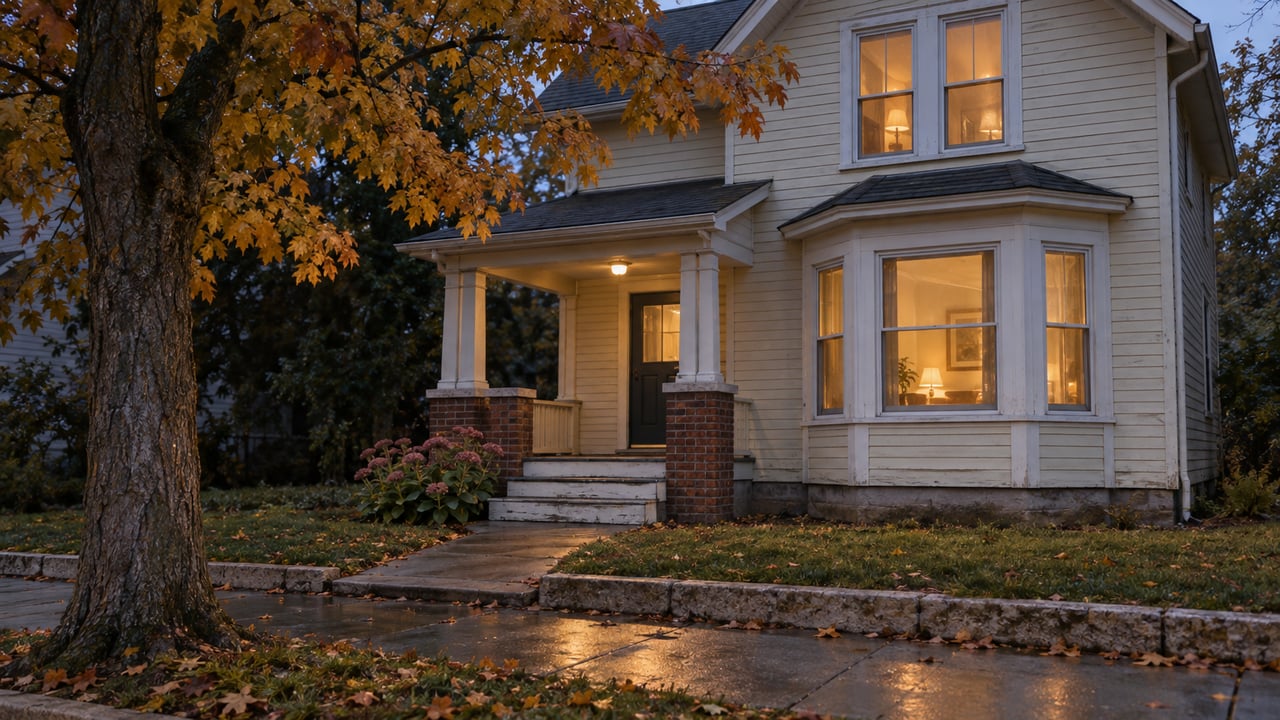
Expect extended periods of cold, snow, and ice between roughly November and March. That affects access to entries, how homes show from the street, and the ability to evaluate exterior features like roofing and landscaping. Short daylight windows make showings more time-sensitive, and buyers often prefer late afternoon or early evening tours when possible.
City and county logistics
Property owners in Minneapolis have responsibilities for snow and ice removal on sidewalks and safe access. Confirm current timelines and requirements with the city before listing so you avoid delays or liability. Hennepin County’s property and tax records can help clarify parcel history and assessments if you are evaluating a home or preparing to sell.
Neighborhood patterns
Transit-rich, close-in Minneapolis areas like Downtown, North Loop, Uptown, and Near North can see steadier interest through the winter due to convenience. Suburban parts of Hennepin County may feel more seasonal since adverse driving conditions can reduce open house traffic. No matter the neighborhood, easy access and clear communication about parking and entries make a big difference in winter.
Winter inspection focus
Cold-weather conditions bring specific risks and maintenance questions. Heating system performance, attic insulation and ventilation, roof condition and ice dam history, basement moisture, and plumbing freeze protection deserve extra attention. Contractors for exterior work can be limited in winter, so buyers and sellers should plan for credits or timing adjustments when repairs cannot be completed until spring.
Buyers: how to prepare and win
Set expectations
You will see fewer listings, but sellers who remain active tend to be motivated. Showings may be limited to daylight or early evening hours, and the pace can feel slower even when the right home appears. Appraisal comparisons can be tricky when recent sales come from different seasons, so discuss pricing support with your agent and lender early.
Get ready before you shop
- Obtain a full mortgage pre-approval and confirm lender timelines around holidays.
- Line up a trusted local inspector who understands winter-specific issues: furnace or boiler, attic insulation and ventilation, roof and ice dam risks, basement moisture, sump pump operation, and plumbing freeze history.
- Prepare a contingency plan if the appraisal or inspection reveals seasonal concerns, such as waiting for spring access to roof work or negotiating a credit.
Show better and spot risks
- Ask the listing side to keep walkways clear and entry areas dry for safe access.
- Tour in daylight when possible so you can assess window performance, exterior grading, and the roofline for signs of ice dams.
- Bring a winter checklist. Look for uneven or damp basement floors, active sump pumps, and past water intrusion evidence. Ask for recent utility bills to understand heating costs.
Make a smart offer
- Use inspection and financing contingencies prudently. Winter reveals issues that are hard to see in other seasons, so blanket waivers are risky.
- Request service records for the furnace, roof, water heater, and sump pump. Well-documented systems reduce uncertainty.
- If contractors are booked or weather blocks repairs, negotiate for credits or price adjustments instead of rushed work. A practical, documented plan builds confidence for lenders and appraisers too.
Sellers: how to stand out this season
Price and timing
Winter buyers are serious, and they notice when a home is priced beyond comparable options. Overpricing often leads to longer days on market and later reductions. A right-sized price from day one helps you capture motivated traffic in a smaller buyer pool.
Prep that pays off
- Service and document your mechanical systems. Provide recent furnace and water heater records, sump pump details, and any roof evaluations.
- If feasible, address obvious issues that are harder to inspect or fix in winter, like known roof leaks or major drainage problems.
- Consider a pre-listing inspection. Fewer surprises can reduce renegotiations and keep your timeline on track.
Staging and showing logistics
- Keep sidewalks, steps, and driveways shoveled or treated. Clear a safe, well-marked path to the entry and maintain a clean mat inside.
- Set a comfortable indoor temperature and brighten the lighting to counter shorter days. Remove bulky winter gear to make entries feel spacious.
- Use high-quality interior photos and virtual tours. If possible, schedule exterior photos on a day when the property looks its best.
Marketing that works now
Highlight features that matter in winter. Energy-efficient windows, newer mechanicals, a heated garage, a mudroom, or strong insulation can set your home apart. Be clear about your snow management plan around closing so buyers understand how the property is maintained.
Negotiation and closing
Be prepared to consider credits, timing flexibility, or inclusion of appliances to bridge seasonal hurdles. Appraisals may rely on sales from different months, so share service records and relevant recent neighborhood sales with the appraiser when appropriate. Build in extra time around holidays for inspections and financing to keep closing dates realistic.
Should you wait for spring?
It depends on your goals and your timeline. Spring typically brings more listings and more buyers, which means more choices but also more competition. Winter can offer less competition and a clearer read on motivated buyers and sellers, though selection is tighter and some repairs must wait for better weather. Your best move is to ground expectations in current local data and your personal timing.
Quick winter checklists
Buyer checklist
- Confirm full pre-approval and lender timelines.
- Line up a winter-savvy inspector.
- Tour in daylight when possible and verify safe access.
- Ask for mechanical service records and utility bills.
- Watch for ice dam signs, attic ventilation issues, and basement moisture.
- Plan for credits if exterior repairs are weather dependent.
Seller checklist
- Service and document furnace, water heater, and sump pump.
- Shovel, de-ice, and clearly mark safe access routes.
- Brighten lighting and keep interiors warm and welcoming.
- Use professional interior photos and virtual tours.
- Highlight winter-friendly features in your marketing.
- Prepare for appraisal questions with service records and recent comparable sales.
When you are ready to buy or sell in the Twin Cities this winter, you deserve a clear plan and calm, experienced guidance. Our team pairs boutique, relationship-first service with strong pricing strategy, staging, and polished marketing that fits both condos and single-family homes. If you want a straightforward, confident path to your next move, connect with Smitten Sales, Inc..
FAQs
Is winter a good time to buy a home in Minneapolis?
- Yes, if you value less competition and motivated sellers; you will see fewer listings, so preparation and quick action matter.
Will I get a lower price buying in the Twin Cities during winter?
- You may find more negotiation room on some homes, especially if they are mispriced, but well-presented and well-priced homes can still draw strong interest.
How should I price a Minneapolis home to sell in winter?
- Base your price on a 3 to 6 month comparable analysis and current local inventory; right-sizing from day one reduces time on market and later reductions.
What should I look for during a winter showing in Minneapolis?
- Focus on heating performance, attic insulation and ventilation, roof and ice dam evidence, basement moisture, sump pump function, and plumbing freeze protection.
Can I sell a condo in the Twin Cities during winter?
- Yes; emphasize convenience, indoor amenities, and strong building maintenance records, and use professional interior media to capture buyer interest year-round.