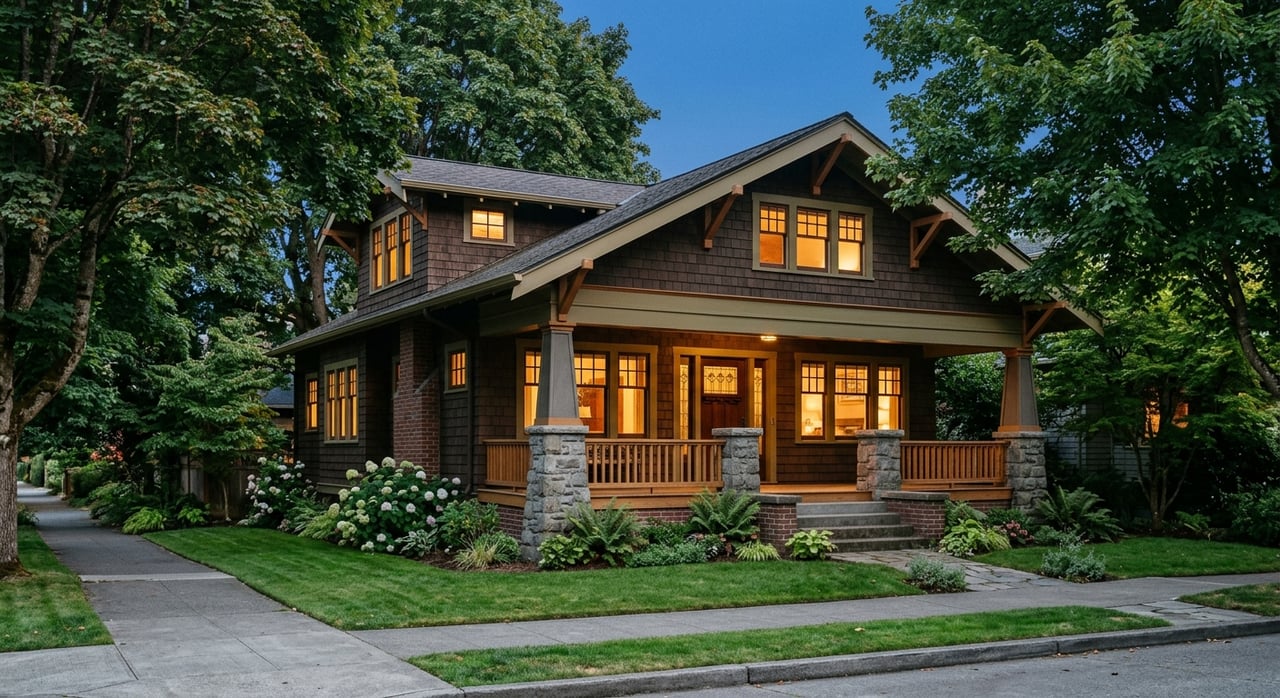
If you love the idea of living somewhere with real character, Stillwater stands out quickly. Its historic homes are not tucked away as relics of the past. They are part of active neighborhoods where you can walk to parks, downtown amenities, and riverfront spaces while enjoying architecture that reflects the city’s lumber-era roots. If you are curious about what historic home living really looks like in Stillwater, this guide will help you understand the styles, the neighborhood feel, and the local preservation framework that shapes day-to-day ownership. Let’s dive in.
Why Stillwater’s historic homes feel distinct
Stillwater’s housing story grew from its river-and-lumber economy. Local history sources describe the city as a natural lumber town because of its river access, water power, and conditions for assembling logs, and the Minnesota Historical Society notes that lumber stayed dominant into the late 1800s and early 1900s.
That history still shows up in the built environment today. Many of the city’s older neighborhoods include substantial, detailed homes built for lumbermen, merchants, contractors, and others tied to river commerce. In practical terms, that means you are not just buying an older house. You are often buying into a visible piece of Stillwater’s development story.
What you’ll see in Stillwater architecture
Stillwater’s historic housing stock is best understood as a mix of late-19th-century Victorian styles and early-20th-century Craftsman design. The city’s South Hill walking tour highlights several architectural styles that still help buyers identify what they are seeing from one block to the next.
Gothic Revival details
Gothic Revival homes often feature steeply pitched gabled roofs and narrow windows. In Stillwater, the South Hill materials point to the Whiteside house as a local example of the style.
If you are touring older neighborhoods, this style can read as vertical and dramatic compared with broader, more horizontal homes nearby. It is one of the details that gives some streets a distinctly 19th-century look.
Italianate and Second Empire homes
Italianate homes are typically more box-like in form, often with shallow hip roofs, arched windows, and bracketed eaves. The city identifies the Anton and Rosalia Krenz House as a clear local example.
Second Empire homes bring a different silhouette, most notably the mansard roof. The David and Lucetta Grout House is listed in the city’s materials as a fine Stillwater example, and that roofline is often the fastest visual clue when you are trying to identify the style.
Queen Anne and Stick style homes
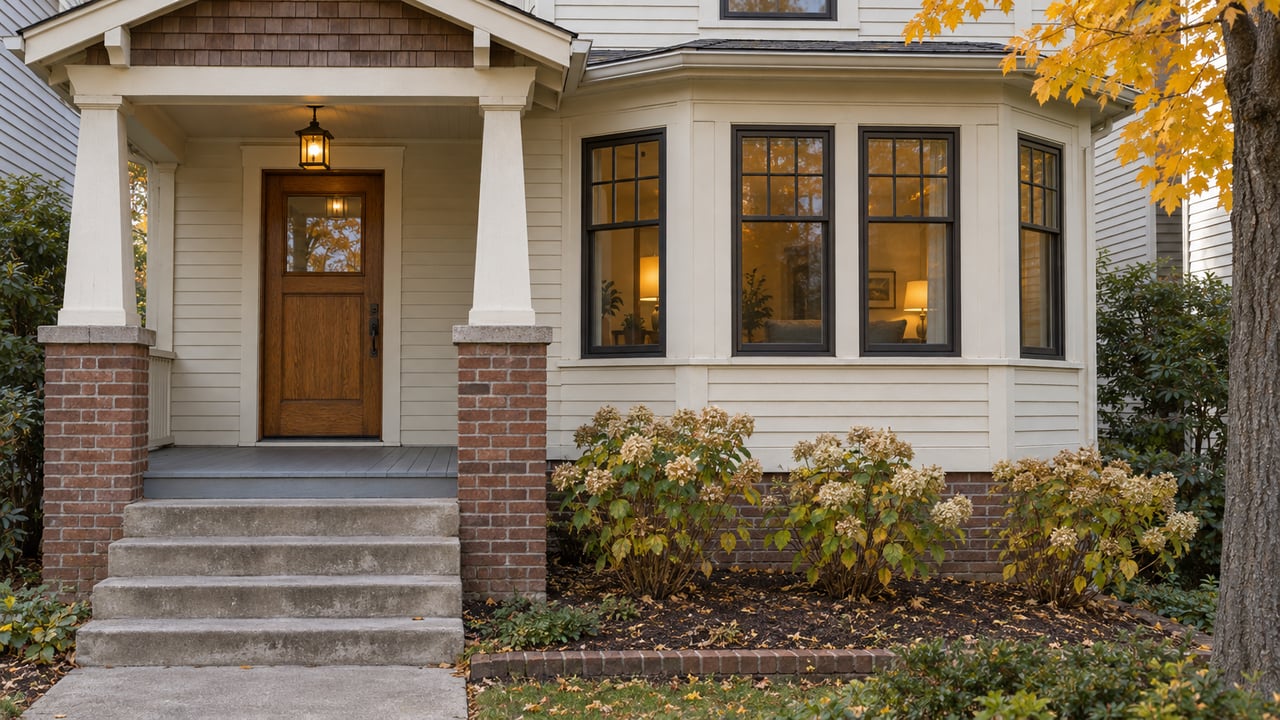
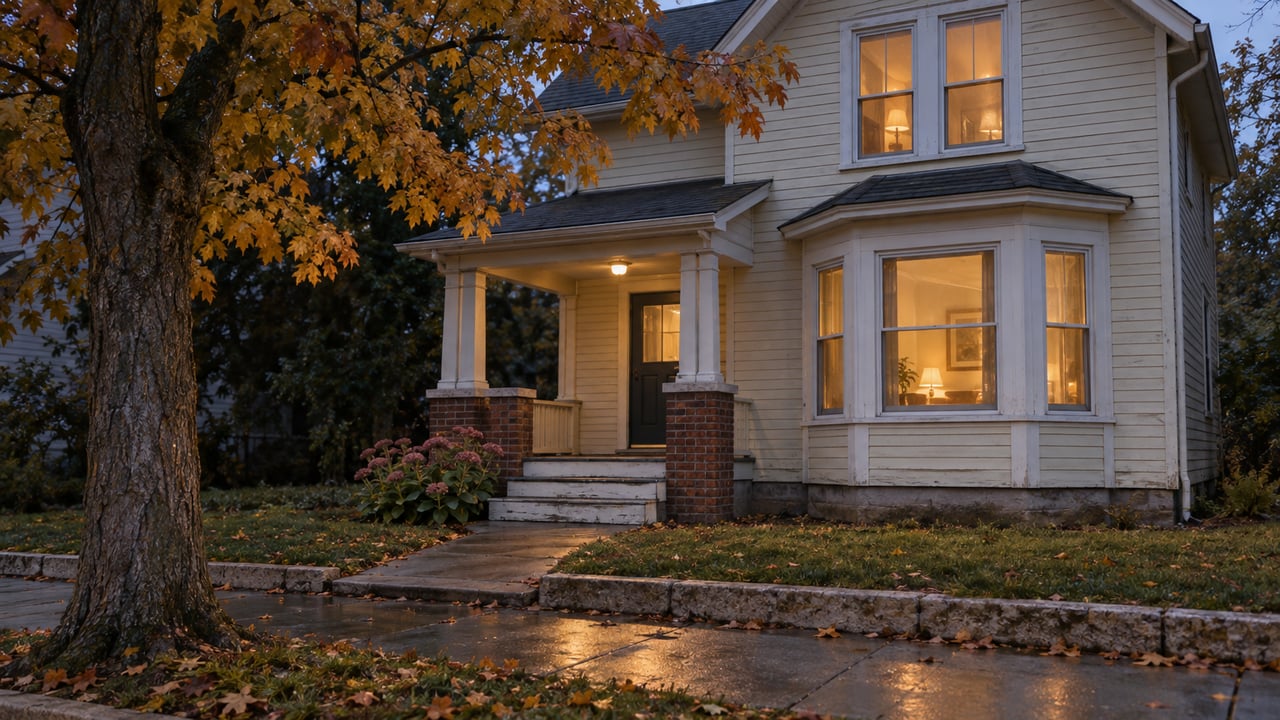
Queen Anne architecture is one of the most recognizable looks in Stillwater’s older neighborhoods. Towers, bay windows, decorative shingles, and wide porches or wraparound porches create the layered, highly detailed appearance many buyers picture when they think of a classic Victorian home.
Stick style homes also add texture to the streetscape. In Stillwater, the city describes these homes with wood cross bands, patterned shingles, and jerkin roof forms, all of which create a strong handcrafted feel on the exterior.
Classical Revival and Craftsman homes
By the turn of the century, some homes took on a more formal look. Classical Revival examples can include features like Palladian windows, Ionic columns, and porte-cochères, showing a different architectural mood than the more playful Victorian styles.
Craftsman homes represent another important part of Stillwater’s housing mix. Wide eaves, exposed rafters, and triangular braces give these homes a grounded, practical character that still appeals to buyers who want historic charm with a slightly simpler design language.
How downtown supports neighborhood living
One reason Stillwater’s historic neighborhoods feel so livable is their relationship to downtown. According to the Downtown Stillwater Framework Plan, the core downtown is roughly a five-minute walk from amenities such as Lowell Park, Teddy Bear Park, retail, restaurants, and several historic sites.
The same plan notes that fringe areas are generally within a ten-minute walk of city hall, the library, police and fire services, Pioneer Park, and churches. That close connection between housing and daily destinations helps explain why historic living here often feels practical, not just picturesque.
Walkable places you may use often
Stillwater offers several public amenities that strengthen the neighborhood experience:
- Lowell Park includes an amphitheater, gazebo, restrooms, open space, and walking or hiking paths.
- The Stillwater Lift Bridge, first opened in 1931 and reopened to pedestrians and bicycles in 2020, now connects the Loop Trail between Minnesota and Wisconsin.
- Brown’s Creek State Trail runs 5.9 miles, is generally level, and connects Gateway State Trail in Grant to the St. Croix National Scenic Riverway in Stillwater while linking into local park and trail systems.
For many buyers, this matters as much as the house itself. Historic charm feels even more usable when it is paired with river access, trails, and a downtown you can experience on foot.
Historic neighborhoods feel lived in, not staged
Stillwater does a good job of making its historic areas accessible without turning them into museum settings. The city offers a Downtown Walking Tour and a South Hill walking tour, with the South Hill route presented as two loops that can each be completed in about an hour.
That setup reinforces an important point for buyers. These are real neighborhoods with active homes, public sidewalks, and daily routines. The city’s Cultural Landscape District materials also note that some properties should be viewed from the public sidewalk only, which is a useful reminder that preservation here exists alongside normal residential life.
What preservation means for homeowners
A common concern with historic homes is whether ownership comes with heavy restrictions. In Stillwater, the framework is more targeted than many buyers expect.
Since 1993, the city has surveyed 16 neighborhoods and commercial areas, and it created the Heirloom Homes and Landmark Sites program to recognize historic structures in the oldest neighborhoods. The city also describes its historic core and surrounding natural landscape as a Cultural Landscape District eligible for the National Register of Historic Places.
Where stricter rules apply
The city states that the only historic district in Stillwater is the Downtown Commercial Historic District. That district is both locally designated and listed in the National Register, and exterior alterations, including signs, require Design Permit approval.
For residential buyers, that is an important distinction. The stricter design-review structure described by the city applies to the downtown commercial district, not broadly to every older residential block.
What residential buyers should know
Stillwater’s Neighborhood Conservation District is intended to guide new infill construction and discourage incompatible demolition. According to the city, it does not apply to exterior alterations of existing structures.
The city’s historic districts FAQ is also very clear on several points that matter to homeowners:
- Local historic districts do not restrict the sale of a property.
- The Heritage Preservation Commission does not regulate interiors.
- Routine maintenance and ordinary repairs are not forced through the commission.
- The focus is on exterior compatibility and preserving neighborhood character, not requiring full restoration.
For buyers who want authenticity without feeling locked into museum-level oversight, that nuance is important.
Researching a Stillwater house history
If part of the appeal is understanding who lived in a home before you, Stillwater offers strong local research tools. The Stillwater Public Library points readers to house and building history resources, city directories dating back to the late 1800s, Sanborn maps, neighborhood histories, and the Heirloom and Landmark program.
The library and city have also made historical newspapers searchable online through 1926. That can make it much easier to trace original owners, study neighborhood development, or learn how a house changed over time.
For some buyers, this research is simply fun. For others, it helps frame renovation decisions, confirm a home’s story, or deepen the connection to the property after closing.
What daily life may feel like
Historic homes in Stillwater are appealing partly because they sit within a larger setting that still feels cohesive. The city’s preservation materials describe the historic core and natural setting together, which helps explain why the experience of living here is about more than architecture alone.
You may find yourself paying attention to the walk to downtown, the route to the riverfront, or the way a porch relates to a tree-lined block just as much as the trim work on the house. That blend of architecture, landscape, and access is a big part of what makes neighborhood living in Stillwater feel special.
The city’s owner-occupied housing rate is 76.7 percent, which suggests a relatively stable residential base. While every block and property is different, that data point supports the idea that Stillwater functions as a lived-in community, not just a visitor destination.
What buyers and sellers can take from this
If you are buying, Stillwater offers a rare combination of historic character, recognizable architecture, walkable access, and a preservation framework that is more practical than many people assume. It is a market where understanding style, location, and city context can help you make a more confident decision.
If you are selling, the story of a historic Stillwater home often goes beyond square footage and finishes. Buyers are often responding to architectural identity, neighborhood setting, proximity to downtown and trails, and the broader sense of place that comes with living in one of the Twin Cities area’s most distinctive river communities.
Whether you are comparing houses or thinking about how to position one for sale, local context matters. That is especially true in Stillwater, where the value of a home is often tied to the details around it as much as the details within it.
If you are considering buying or selling in Stillwater, Smitten Sales, Inc. can help you evaluate the neighborhood, the home, and the story that makes the property stand out.
FAQs
What architectural styles are common in Stillwater historic homes?
- Stillwater’s older homes commonly reflect Gothic Revival, Italianate, Second Empire, Queen Anne, Stick, Classical Revival, and Craftsman design, based on the city’s South Hill walking tour materials.
What does neighborhood living in Stillwater feel like near downtown?
- The city’s planning documents describe core downtown amenities as roughly a five-minute walk from central areas, with fringe areas generally within a ten-minute walk of places like the library, city hall, Pioneer Park, and other civic destinations.
What historic district rules apply to Stillwater residential homes?
- According to the city, the only historic district is the Downtown Commercial Historic District, while the Neighborhood Conservation District is meant to guide infill construction and discourage incompatible demolition rather than regulate exterior alterations of existing residential structures.
What does Stillwater preservation review cover for homeowners?
- The city says local designation does not restrict property sales, does not give the Heritage Preservation Commission authority over interiors, and does not require routine maintenance or ordinary repairs to go through the commission.
What amenities support walkability in Stillwater historic neighborhoods?
- Public amenities that support walkability include Lowell Park, the pedestrian and bicycle access on the Stillwater Lift Bridge, and connections to trails such as Brown’s Creek State Trail.
What resources can help research a Stillwater house history?
- The Stillwater Public Library points to city directories, Sanborn maps, neighborhood histories, house and building history resources, and searchable historical newspapers through 1926.