Thinking about Marine on St. Croix but not sure which part of town fits your life best? You are not alone. Many buyers love the area’s conservation mindset and scenic setting, then wonder how village, rural, and riverfront living actually differ day to day. This guide breaks down lifestyle, maintenance, permitting, and resale considerations so you can choose with confidence. Let’s dive in.
Village, rural, and riverfront at a glance
- Village: Walkable historic core near the river with shops, a village green, and neighborhood streets. Expect smaller lots, older homes, and strong community life.
- Rural: Wooded acreage with natural buffers and privacy. Expect wells and septic systems, longer driveways, and more hands-on land care.
- Riverfront: Properties with direct river access or elevated views. Expect premium pricing and added oversight related to floodplain, shoreline, and bluff stability.
Village living: walkable and historic
Living in the historic village puts you close to small businesses, community events, and the riverfront. You can stroll to coffee, meet neighbors on evening walks, and enjoy the area’s heritage architecture.
Homes in the village tend to be older. That charm often comes with age-related maintenance like roof, foundation, and exterior updates. If a property is in the recognized historic district, exterior changes may trigger local preservation reviews and design guidelines. The Minnesota Historical Society offers helpful context on preservation standards and historic resources you can explore for expectations and best practices.
Yards are usually smaller, which reduces mowing, plowing, and landscaping time. Utilities and services are generally closer, though you should always verify water and sewer availability for a specific address. If you plan renovations, start early with questions about timeline, approvals, and scope.
Rural parcels: privacy and woods
If you want acreage, trees, and natural buffers, the rural area around the village is a strong match. You gain privacy, space for outbuildings or hobbies, and a quiet, nature-forward setting.
With that space comes more responsibility. Many rural homes rely on private wells and onsite septic systems. Plan for regular septic pumping, well testing, and inspection during due diligence. Driveway upkeep, vegetation management, and invasive-species control are also part of rural ownership.
Broadband speeds can vary on rural roads. If remote work matters to you, check the FCC Broadband Map to verify providers and speeds in advance. Wetlands and rolling topography can affect where you can build or add structures, so a site review and, if needed, a wetland delineation are smart steps before you commit to plans.
Riverfront: the St. Croix experience
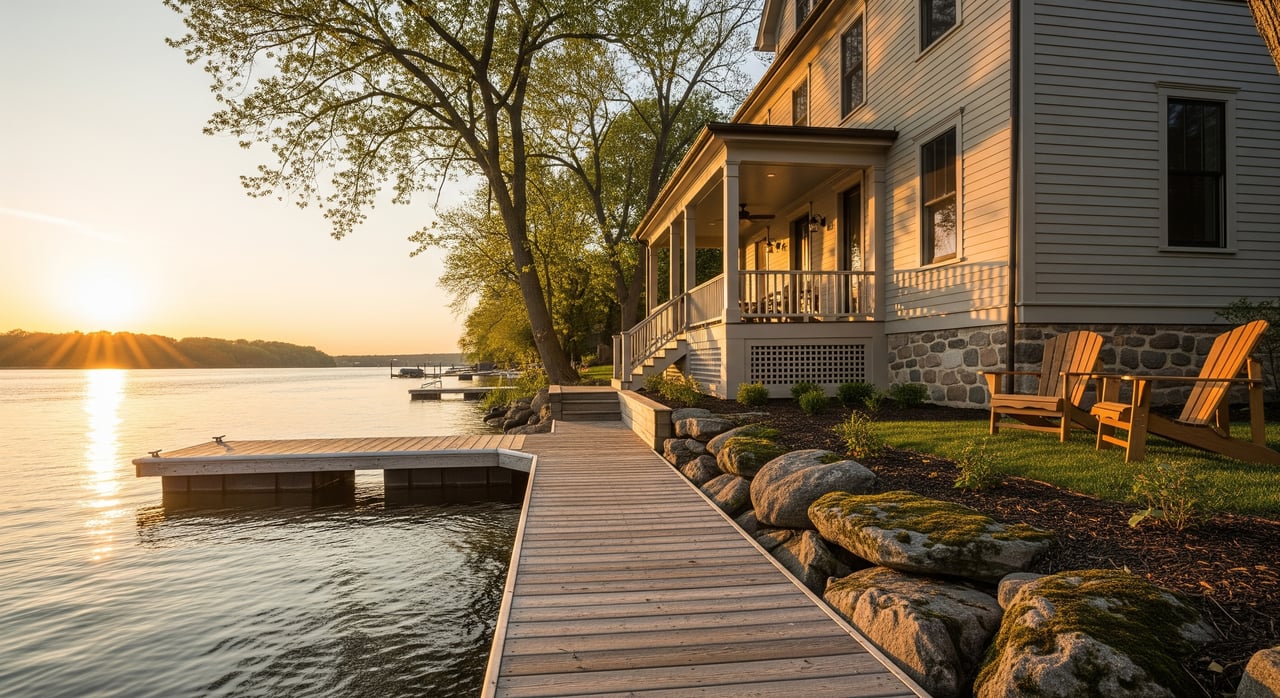
Riverfront living offers views, boating, kayaking, and a direct connection to the St. Croix River’s scenic and ecological assets. Properties can be low-bank with direct access or bluff-top with panoramic vistas.
This submarket often carries premium pricing and property taxes. It also involves added oversight. The St. Croix is part of the St. Croix National Scenic Riverway, managed in concert by local, state, and federal agencies. You should expect rules around docks, vegetation clearing, shoreline stabilization, and similar activities.
Minnesota’s shoreland rules set setbacks, impervious-surface limits, and buffer requirements near water. Bluff-top homes may face specific rules for grading, erosion control, and structure placement. Many river-adjacent parcels sit in or near FEMA flood zones, which can affect insurance and lending. Review FEMA flood maps, confirm a property’s status, and consider elevation certificates if applicable.
- Explore the St. Croix National Scenic Riverway overview via the National Park Service for stewardship context.
- Review Minnesota DNR shoreland guidance for setbacks and shoreline rules.
- Check parcel status on the FEMA Flood Map Service Center for floodplain questions.
Cost, maintenance, and services tradeoffs
Village:
- Lifestyle: Walkability, community events, historic charm.
- Costs: Often moderate home sizes; renovation costs can arise with older structures.
- Maintenance: Smaller yards; periodic exterior updates on older homes.
- Services: Generally easier access to public services, but confirm utilities case by case.
Rural:
- Lifestyle: Privacy, acreage, natural buffers.
- Costs: Well and septic upkeep, private road or driveway maintenance.
- Maintenance: Vegetation management, snow removal, invasive-species control.
- Services: Variable broadband; plan for onsite systems and possible HOA or private road agreements.
Riverfront:
- Lifestyle: Views, water access, boating and paddling.
- Costs: Premium purchase prices, potential flood insurance.
- Maintenance: Shoreline care, erosion checks, dock upkeep.
- Services: Added permitting for shoreline work; seasonal considerations for access and storage.
Permits and protections to plan for
Marine on St. Croix sits within a conservation-minded corridor. You will see a combination of local, state, and federal rules that protect shorelines, bluffs, wetlands, and historic resources.
- Shoreland rules: Minnesota sets baseline standards for setbacks, buffers, and impervious surfaces near water. Expect permits for shoreline work like stabilization or docks.
- National Scenic Riverway: The St. Croix is federally protected. Activities near the river may involve National Park Service review and coordination with state and county rules.
- Floodplain: FEMA flood designations can influence insurance, financing, and allowable structures. An elevation certificate may be required for underwriting.
- Historic district: Village properties in the historic district can require review for exterior changes, additions, or demolitions. Start early and document your plans.
- Conservation easements: Parcels may have easements held by groups like Minnesota Land Trust. Easements can limit development and must be reviewed during title work.
For deeper reading and official references, consider:
- National Park Service overview of the St. Croix National Scenic Riverway.
- Minnesota DNR shoreland program details and homeowner guidance.
- FEMA Flood Map Service Center for up-to-date flood zone information.
- Minnesota Historical Society for preservation standards and historic resources.
- Minnesota Land Trust for easement information and stewardship.
- St. Croix River Association for local river stewardship and best practices.
Due diligence checklist for buyers
Use this quick checklist as you tour and evaluate properties:
- Floodplain status: Pull FEMA maps, request a flood determination, and consider an elevation certificate if near a flood zone.
- Septic system: Order a full inspection and performance test, confirm permits, and get replacement estimates if the system is older.
- Well and water: Request a well inspection, flow test, and water-quality testing.
- Structural and age-related items: For older village homes, emphasize roof, foundation, electrical, and exterior materials.
- Bluff and erosion: On riverfront or bluff-top sites, obtain a slope stability or erosion assessment if warranted.
- Wetlands and buildable area: For rural parcels, complete wetland delineations and verify where structures and driveways can go.
- Easements and title: Review conservation easements, rights-of-way, and any recorded restrictions.
- Permits and approvals: Confirm shoreland permits, shoreline work history, and historic district requirements if applicable.
- Road access: Clarify who maintains the road or private drive and how costs are shared.
- Broadband and utilities: Verify internet speeds and provider options; map out utility connections for new construction.
Key questions to ask sellers and agents
- Is the property in a FEMA-designated flood zone, and can the seller provide any flood mitigation or elevation documents?
- What are the water source and sewer arrangements? When was the septic last inspected or pumped, and are there recent well records?
- Are there recorded conservation easements, shoreline permits, or historic-preservation restrictions that affect future plans?
- Who maintains the access road or shared driveway, and how are costs handled?
- Are there any known bluff stability reports, shoreline stabilization records, or county enforcement actions?
Which Marine area fits you?
- Choose the village if you want walkability, easy community connection, and lower yard work, and you are comfortable planning for older home maintenance and possible preservation reviews.
- Choose rural parcels if you prioritize privacy, acreage, and a natural setting, and you are ready for well and septic care, driveway upkeep, and vegetation management.
- Choose riverfront if you value water access and views above all, and you are prepared for premium pricing, flood considerations, and shoreline and bluff management.
How Smitten helps you decide
You deserve clear guidance as you weigh conservation goals, lifestyle, and long-term value. As a boutique Twin Cities team with deep experience in Marine on St. Croix and higher-end river and lake properties, we help you:
- Match lifestyle priorities to village, rural, or riverfront options.
- Coordinate inspections and connect you with specialists for septic, wells, wetlands, and bluff stability.
- Navigate shoreland rules, historic considerations, and easements with a practical, step-by-step plan.
- Position offers with the right contingencies for your protection.
When you are ready to explore Marine on St. Croix, reach out to Smitten Sales, Inc. for thoughtful, local advice.
FAQs
What should Marine on St. Croix riverfront buyers know about flood insurance?
- Check the property’s status on the FEMA Flood Map Service Center, and speak with an insurance broker about coverage, premiums, and whether an elevation certificate could improve pricing.
How do Minnesota shoreland rules affect building near the St. Croix?
- Minnesota DNR shoreland standards set setbacks, impervious limits, and vegetation buffers; expect permits and restrictions on docks, stabilization, and clearing.
Are historic district reviews required for village homes?
- Exterior changes to properties in the village’s historic district may need local preservation review; consult the city early and reference Minnesota Historical Society guidance.
What inspections are critical for rural acreage in Marine on St. Croix?
- Prioritize septic and well inspections, wetland delineations for buildable area, and verification of road access and maintenance responsibilities.
How can I verify broadband at a rural Marine address?
- Use the FCC Broadband Map to check reported providers and speeds, then confirm service directly with the provider before you write an offer.
Who oversees the St. Croix National Scenic Riverway near Marine?
- The National Park Service coordinates with state and local agencies; visit the NPS St. Croix National Scenic Riverway page for stewardship and use guidelines.